 blog
Are These the 7 Best Upgrades for Palm Jumeirah Villas in 2026?
Quick Summary
The seven best upgrades for palm jumeirah villas are open-plan living, kitchen refits, floor-to-ceiling glazing, spa-style bathrooms, exterior façade work, outdoor living and pool redesign, and smart home systems. Ranked by impact on daily living and long-term value, open-plan living and kitchen upgrades come first.
- Structural walls need a qualified engineer's sign-off before any demolition starts.
- Starting façade work before the NOC and permit are issued is the most common and costly mistake.
- Ask your contractor for a written method statement before draining any pool during a redesign.
- Budget for recurring landscape maintenance, irrigation repairs and pool servicing as ongoing costs.
- Wiring for smart-home systems is best planned before walls are finished.
Table of Contents
- Ranking the 7 Best Upgrades for Palm Jumeirah Villas
- Upgrade 1: Open-Plan Living and Improved Spatial Flow
- Upgrade 2: Kitchen Upgrades with Handleless Cabinetry and Integrated Appliances
- Upgrade 3: Floor-to-Ceiling Glazing and Natural Light
- Upgrade 4: Spa-Style Bathrooms and Wellness Facilities
- Upgrade 5: Villa Exterior Upgrades and Façade Materials
- Upgrade 6: Outdoor Living, Landscaping and Pool Redesign
- Upgrade 7: Smart Home Upgrades for Villas
- Frequently Asked Questions
Ranking the 7 Best Upgrades for Palm Jumeirah Villas
Palm Jumeirah villas command some of the highest values in Dubai, but a property that has not kept pace with current design expectations quickly loses its appeal. For a closer look at the features and design choices behind a luxury villa, see what makes a villa luxury. The right upgrades can lift both how a home feels to live in and how it performs at resale. Here are the seven upgrades we consider most worth prioritising, ranked by their impact on daily living and long-term value.
Last Updated: November 21, 2026
Most owners ask the same question first: where should the budget go? The honest answer depends on what you want from the house. A family that spends most of its time indoors will get more from layout and kitchen changes, while an investor focused on rental appeal may get better returns from outdoor and exterior work. Each upgrade below includes its strengths, its drawbacks and the owner profile it suits best.
Watch out: Structural changes and façade work almost always need approvals before work begins. Start the permit conversation early, because it often sets the real timeline.
Upgrade 1: Open-Plan Living and Improved Spatial Flow
Opening up a villa's ground floor is usually the single change that transforms how the home feels. Removing non-structural walls between the living, dining and kitchen areas lets light and sea views travel through the whole floor. Structural walls need a qualified engineer's sign-off before any demolition starts.
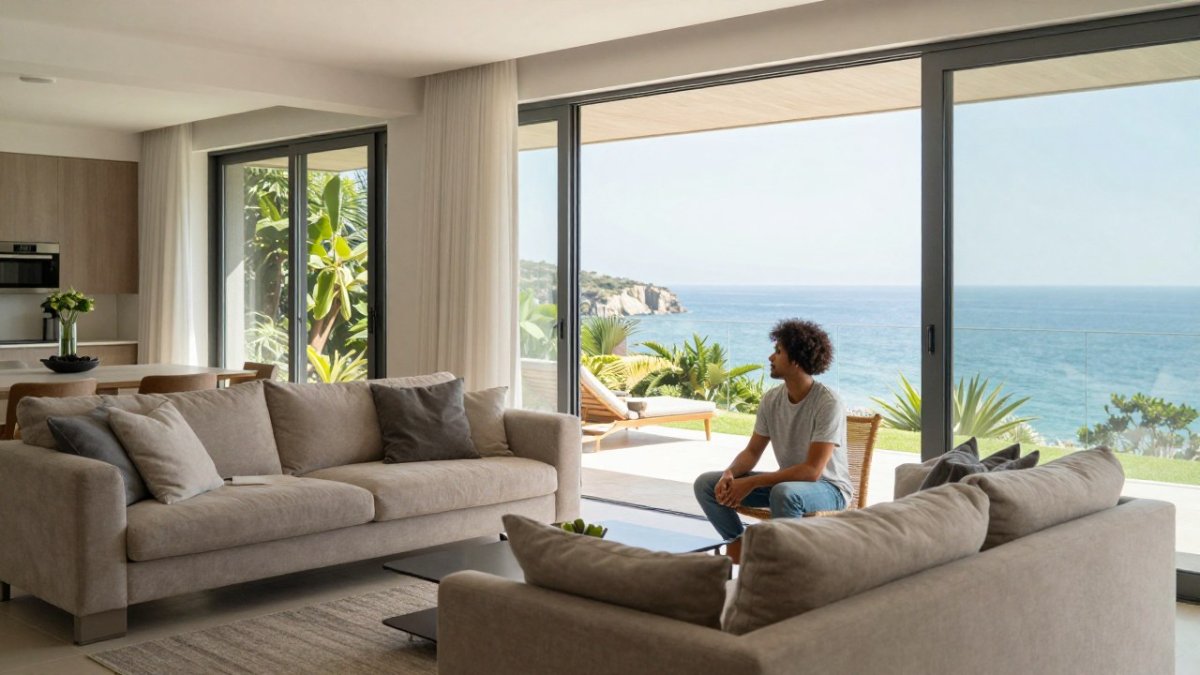
Pros: Stronger sense of space, better natural light, a clearer connection to the outdoor areas. Cons: Structural work adds cost and approval time, and open layouts can make acoustics harder to manage.
Best for: Owners who entertain often or want a single flowing living space. Skip if: Your villa's ground floor is heavily load-bearing and you cannot justify the engineering work.
Upgrade 2: Kitchen Upgrades with Handleless Cabinetry and Integrated Appliances
A kitchen refit is one of the most visible upgrades a buyer or tenant notices. Handleless cabinetry gives a clean, contemporary line, and integrated appliances keep the room uncluttered. Stone worktops, including natural marble, add a sense of permanence that works well with the rest of a luxury interior.
Pros: Strong visual impact, easier-to-maintain surfaces, a modern look that suits most buyers. Cons: Bespoke joinery has long lead times, and high-spec appliances carry a premium price.
Best for: Owners planning to stay long-term, or preparing a villa for sale. Skip if: You need a fast turnaround, since bespoke cabinetry is hard to rush.
Upgrade 3: Floor-to-Ceiling Glazing and Natural Light
Replacing smaller windows with floor-to-ceiling glass brings in far more daylight and frames the view. Glazing decisions should account for the coastal climate, because salt exposure and intense sun put real demands on frames and coatings.
Pros: Dramatic views, improved daylight, a stronger connection between interior and terrace. Cons: Glass is heavy and costly to fit, and poorly specified units can overheat a room.
Best for: Villas with strong sea or skyline views that are currently under-used. Skip if: Your existing openings are already generous and the main issue is privacy.
Upgrade 4: Spa-Style Bathrooms and Wellness Facilities
Bathrooms are increasingly treated as retreats rather than utility rooms. Large format tiles, freestanding baths, rain showers and dedicated wellness corners all add perceived luxury. Many owners now also consider steam or sauna spaces where the plumbing and ventilation allow.
Pros: Strong day-to-day appeal, a clear point of difference from standard fit-outs. Cons: Wet areas are complex to waterproof, and wellness additions need dedicated ventilation.
Best for: Families and owners who want a resort-style feel at home. Skip if: The plumbing and drainage layout cannot be altered without major disruption.
Upgrade 5: Villa Exterior Upgrades and Façade Materials
The exterior is the first thing visitors and buyers see, and on Palm Jumeirah it is also the upgrade most likely to be scrutinised by the community before a single panel is ordered. Upgraded façade materials, refreshed render or cladding, and new entrance detailing can change a villa's street presence, but the approval path, not the design, usually sets the timeline. To judge who can be trusted with this work, see how to choose a luxury villa construction company.
What actually has to be approved. Exterior changes on the Palm usually need approval from the relevant community and authorities before work starts, and the relevant Dubai authority's requirements should be confirmed for your villa. Any change that alters the villa's external appearance, height, boundary wall or colour palette is generally treated as a variation rather than maintenance, so confirm the requirements with the relevant community and authorities early. Painting within the approved palette and like-for-like repair generally sit outside this, which is why owners often start there.
Watch out: Starting façade work before the NOC and permit are issued is the most common and most expensive mistake in this category, authorities can require removal and reinstatement at the owner's cost, and the community can withhold the completion certificate.
Materials that survive the coastal environment. Salt-laden air, high humidity and intense UV are the three forces that age a façade fastest. Salt-laden air, humidity and UV exposure age façades faster than most other conditions, so the choice of fixings, framing, render and coatings matters. Ask your contractor to explain the expected performance and re-coating interval of the materials proposed.
Where the budget goes. Ask for a current itemised quote that shows approval and consultant fees separately from construction costs, rather than budgeting from a headline rate.
Pros: Strong kerb appeal, protection against weathering, a clear value signal to buyers, and a documented approval trail that reassures a future purchaser's lawyer. Cons: Façade changes usually need community and authority approvals, which can slow the project; coastal-grade systems cost more upfront; and design guidelines in some Palm communities restrict palette and material choice.
Best for: Owners preparing a villa for sale or rental in a competitive community, and owners whose render or cladding is already showing salt staining, efflorescence or fixing corrosion. Skip if: The existing exterior is in good condition, the community design guidelines restrict changes, or you cannot absorb the approval lead time before your target sale or let date.
Upgrade 6: Outdoor Living, Landscaping and Pool Redesign
Outdoor space is a major part of the Palm Jumeirah lifestyle. A well-designed terrace, considered landscaping and a refreshed pool area extend the living space and support both entertaining and privacy, but they also carry ongoing running costs that should be planned for from the outset.
Planting that survives salt and heat. Salt-laden air burns leaf edges on many popular ornamentals, and reflected heat from hardscaping raises soil temperature well above ambient. Choosing plants that suit salt-laden air and high heat, and grouping them by water need, helps keep irrigation demand and maintenance under control.
Irrigation and water cost. Ask your landscaper to specify the irrigation layout and controller schedule in writing, and confirm with the community what water-supply options are available for your plot before design begins.
Pool redesign realities. Pool work is where sequencing matters most. Changing the pool shell, depth or position is a structural project and needs approval; re-tiling, re-plastering, new coping and equipment replacement are lighter but still usually require a community NOC. Pool equipment and covers can influence running costs, so ask your contractor which options suit your pool. Fencing, self-closing gates and non-slip decking around the pool are the family-safety items most often skipped and most often regretted.
Watch out: Ask the contractor for a written method statement before draining any pool during a redesign.
Maintenance and running costs. Budget for a recurring landscape maintenance contract, periodic irrigation repairs, pool chemical and equipment servicing, and an annual re-mulch or re-plant allowance. These are ongoing costs, not one-off, and they are worth modelling before the design is signed off.
Pros: Extends the usable living area, strong appeal for rental and resale, adds privacy where the plot allows, and a well-tuned irrigation and pool system lowers running costs over time. Cons: Pools and landscaping carry ongoing maintenance and water costs; pool structural work needs approval; and plant loss in the first summer is common if irrigation is not commissioned properly.
Best for: Owners who spend a lot of time outdoors or want to maximise rental potential, and families who need safer pool surroundings. Skip if: You want minimal upkeep and are unwilling to commit to ongoing landscape maintenance, or the plot's irrigation and drainage constraints make a large redesign impractical.
The table below sums up the main running-cost and approval points for outdoor and pool work, as set out above.
| Item | Key point | Note |
|---|---|---|
| Pool shell or depth change | Structural project | Needs approval |
| Re-tiling, re-plastering, coping | Lighter work | Usually needs a community NOC |
| Irrigation schedule | Set in writing | Confirm water-supply options first |
| Landscape maintenance | Recurring contract | Ongoing cost, not one-off |
| Pool fencing and self-closing gates | Family-safety items | Often skipped, often regretted |
| Method statement | Before draining any pool | Request from contractor in writing |
Upgrade 7: Smart Home Upgrades for Villas
Smart-home technology can cover lighting, climate, security, audio and home cinema systems, and wiring is best planned before walls are finished.
Pros: Convenience, energy management, stronger appeal to tech-minded buyers and tenants. Cons: Systems can become obsolete quickly, and poorly integrated devices create frustration.
Best for: Owners undertaking a full renovation who want the wiring installed once, correctly. Skip if: You want a simple, low-maintenance home and do not plan to use advanced automation.
Planning upgrades for a Palm Jumeirah villa involves design, approvals and coordination across several trades, and ESME Project Lab manages that process end to end. Our team handles design, authority submissions, in-house joinery and contractor management, so you can focus on the outcome rather than the logistics. For current scope and a tailored quote, get in touch with ESME Project Lab to discuss your villa.
Frequently Asked Questions
What upgrades add the most value to a luxury villa?
Upgrades that improve daily living and kerb appeal tend to add the most resale and rental appeal. Open-plan layouts, updated kitchens with integrated appliances, and well-designed outdoor living areas consistently rank highly with buyers and tenants. Value depends on the specific villa, its plot and its condition, so ask your project team to assess which changes will affect your property most before committing budget.
Do villa exterior upgrades require approval?
Most external changes to a villa, including façade materials, extensions and pool works, need approval before work starts. Depending on the property, this can involve the community's design guidelines, a community NOC and permits from the relevant authority. Confirm the requirements for your specific villa early, because starting work without approval can delay the project and create compliance problems later.
How long does a villa renovation take?
Timelines vary with scope, approvals and how much structural work is involved. Timelines depend on the scope agreed, the approvals required and the availability of materials, so request a written schedule from ESME Project Lab for your project.
Should I hire a project manager for a villa renovation?
A project manager helps coordinate architects, joinery teams and contractors, track the programme and handle regulatory submissions. Owners who lack time to oversee each trade often find that one accountable point of contact reduces delays and miscommunication. Ask any provider how they handle mid-project design changes, budget variations and unforeseen structural issues before appointing them.